What is osteopathy?
Osteopathy is a hands-on approach that aims to prevent or relieve functional problems, meaning discomfort with no injury or serious underlying disease. It does not replace medicine: it works alongside medical care.
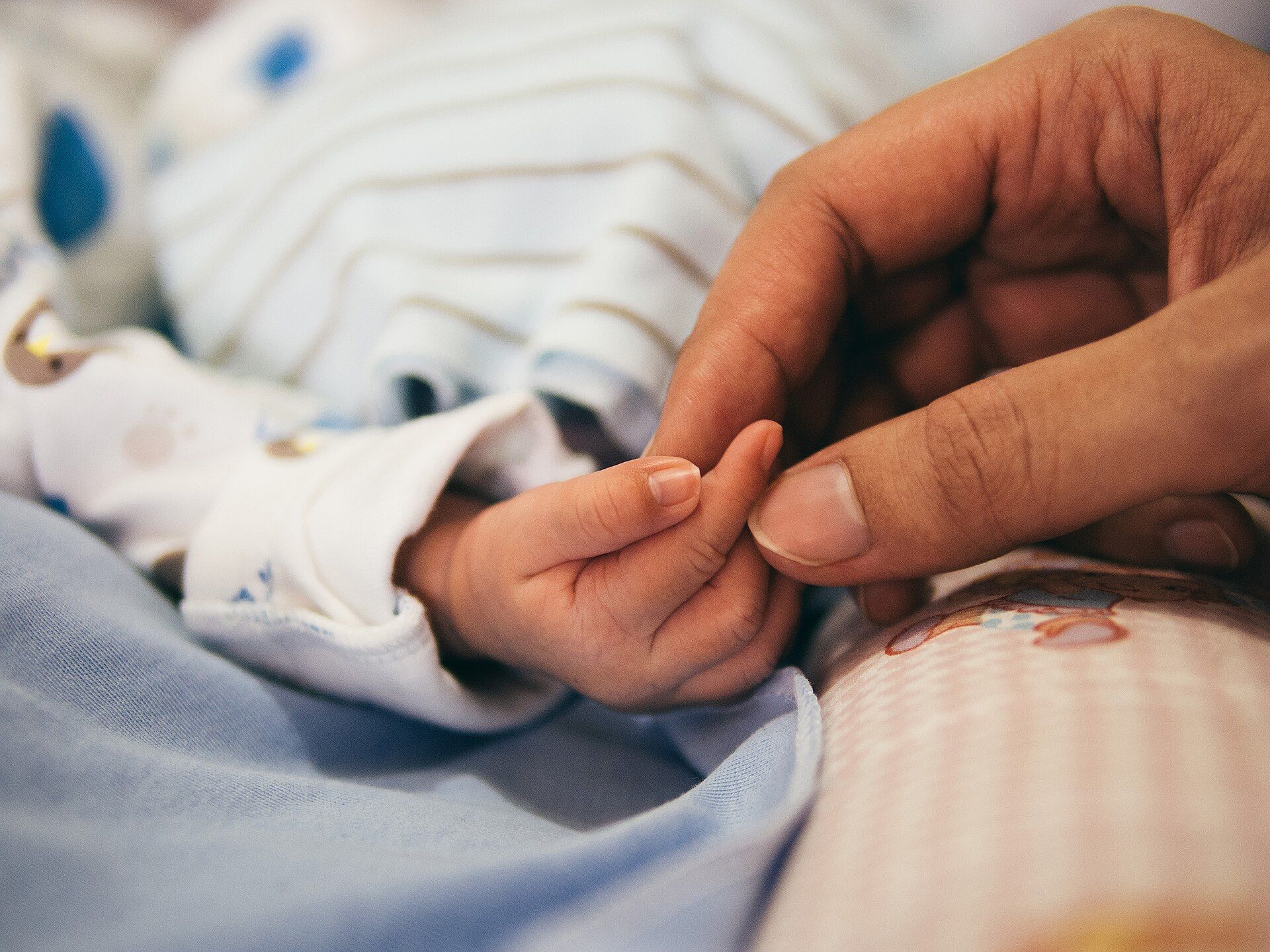
A simple definition
An osteopath, often simply called an « osteo », uses their hands to assess how the body moves and to work on areas of tension or restriction. In France, their practice is regulated by a 2007 decree: osteopaths perform manipulations whose sole purpose is to prevent or relieve functional disorders of the human body, excluding organic diseases that require medical treatment.
In practice, an osteopath does not make a medical diagnosis, does not prescribe medication or tests, and refers you to a doctor when the situation calls for it.
Who is it for?
Osteopathy is for all ages:
- babies and children: feeding, colic, flat head;
- pregnant women and new mothers;
- adults: back pain, neck pain, stress-related tension.
What happens in a session?
A session starts with a conversation, followed by an examination, then hands-on treatment, and ends with advice. At the practice, it lasts about 45 minutes. The full steps are on The practice page.
Training and the osteopath title in France
The title of osteopath has been protected by law in France since 2002. To use it, you must hold a diploma from a school approved by the Ministry of Health and be registered with the regional health agency (ARS), which issues an RPPS number.
Since 2014, initial training lasts five years, or 4,860 hours, including a large share of supervised clinical practice. « D.O. » stands for « diplômé en ostéopathie », or qualified osteopath.
I graduated from the École Supérieure d’Ostéopathie de Paris in 2015 and am registered under RPPS number10010119005. My background is on the Your osteopath page.
Is it reimbursed?
Most top-up insurers (mutuelles) cover part of the cost of osteopathy, with an amount and a number of sessions per year that depend on your plan. If you have international health insurance, check your policy. The French national health insurance (Sécurité sociale) does not reimburse osteopathy. Fees are listed on The practicepage.
When should you see a doctor first?
Osteopathy does not replace medical advice. See a doctor first, or call 15 (SAMU) or 112 in an emergency:
- after a significant fall or accident;
- with fever, unexplained weight loss or pain that gets worse at night;
- with weakness in a limb, bladder problems, or problems with vision or speech;
- for a baby under 3 months with a fever, who feeds poorly or is very sleepy;
- during pregnancy, with bleeding, contractions or if your baby is moving less.
Frequently asked questions
Do I need a referral to see an osteopath?
No. In France, you can see an osteopath directly, without a doctor’s prescription.
Is osteopathy reimbursed?
Most top-up insurers (mutuelles) cover part of the sessions, depending on your plan; many international insurers do too. The French national health insurance (Sécurité sociale) does not reimburse it.
Osteopath or physiotherapist: what’s the difference?
In France, a physiotherapist (kinésithérapeute) is a health professional who usually works on a doctor’s prescription, and sessions are reimbursed by national health insurance. An osteopath works without a prescription, for functional problems, using manual techniques. The two approaches complement each other.
How long is a session?
At the practice, about 45 minutes.
Sources
Practical information
- Address
- 11 rue des Francs-Bourgeois, 75004 ParisGround floor, pushchair access, intercom, no lift.
- Metro
- Saint-Paul (line 1), Chemin Vert (line 8)
- Opening hours
- Monday, Thursday and Friday : 10 am – 7 pmTuesday and Wednesday : 10 am – 8.30 pmSaturday : 10.30 am – 1.30 pm
- Fees
- 85 € : Consultation (adult, child, baby, pregnant woman)145 € : Mother + baby under one year (2 consultations in a row)
- Languages
- English and French